EU shifts the boundaries of performance marketing
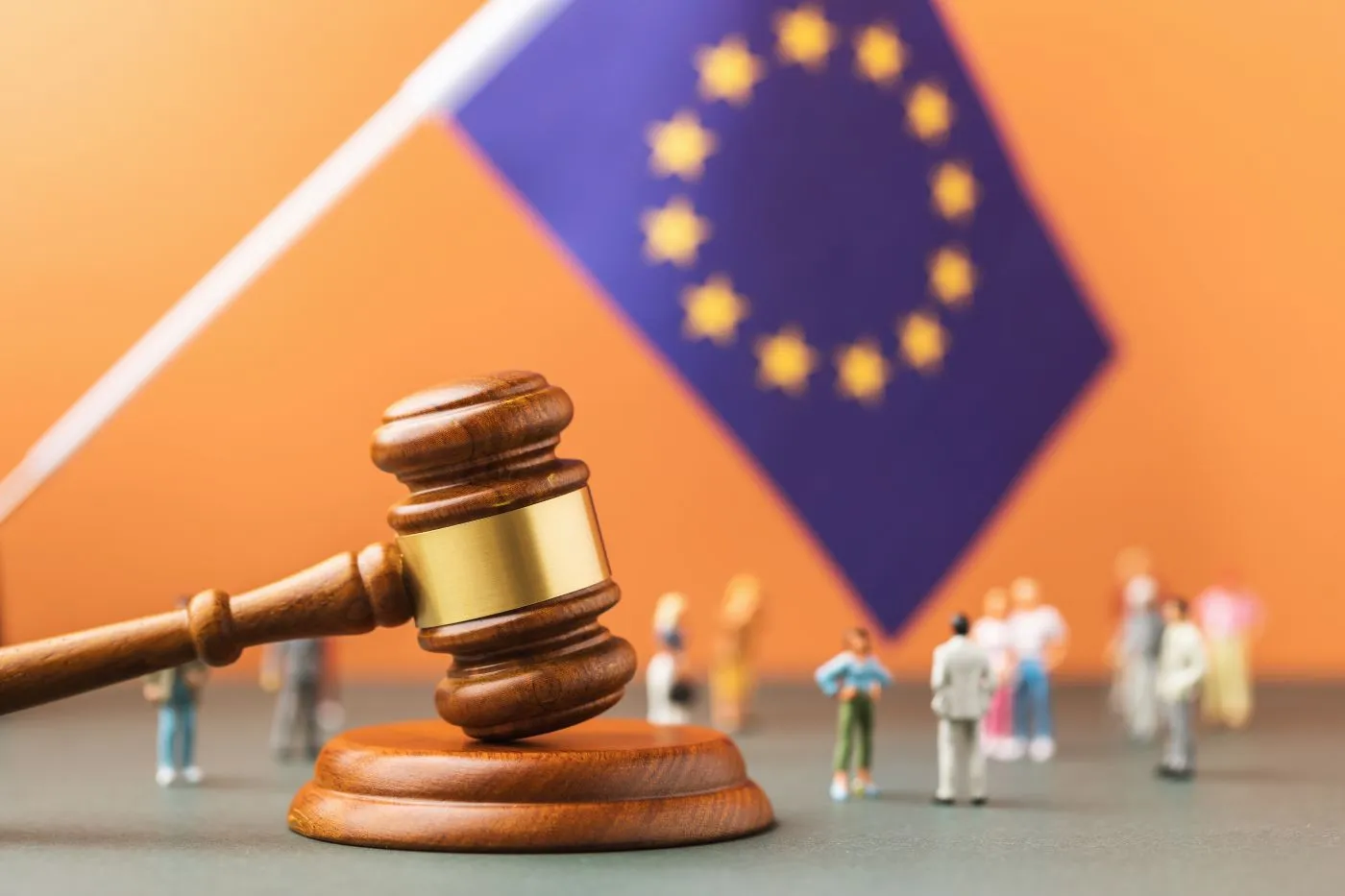
Online influence works more subtly than ever today. Smart interfaces, behavioral data and AI determine what we see, click and buy. At the same time, resistance is growing: consumers want to understand why they are shown something and prefer to decide for themselves when to trust. Digital marketing is therefore at a turning point. The question is no longer whether we can persuade people, but how honestly we do it.
The Digital Fairness Act is coming
The European Commission is working on a new law that will fundamentally change how brands communicate online: the Digital Fairness Act (DFA). Its ambition is clear: to better protect consumers from manipulative digital practices.
Whilst GDPR focused on data collection, the DFA will focus on how we influence people online. Think of misleading buttons, unfair discount claims or influencer posts that are not transparent about sponsorship. What is still common practice today may be restricted within a year or two.
Why is the EU introducing this law?
In its Digital Fairness Fitness Check (2024), the EU found that existing consumer legislation falls short in a digital context. Online decisions are increasingly shaped by interface tricks, algorithms and personalized triggers.
European analyses highlight three key themes:
- Dark patterns: design choices that subtly push users in a certain direction, such as a hard-to-find cancellation button or a pop-up that creates emotional pressure.
- Personal influence: targeting based on vulnerabilities or behavior, sometimes without users understanding why they are seeing something.
- Transparency: consumers have insufficient insight into who is influencing them, why and with what intent.
The Commission aims to ensure that all digital environments become fair, understandable and controllable for consumers. This has a direct impact on performance marketing.
Implications for marketers
Until now, many marketing campaigns have been built on principles such as urgency, scarcity and social proof. Effective techniques to influence behavior. The DFA does not prohibit these, but it does require more transparency and balance. It is therefore not about banning practices, but about communicating more openly.
A few examples: a “Only 2 spots left!” banner is allowed, but only if it is accurate. An influencer can promote a brand, as long as they clearly disclose that it is sponsored. Personalized ads can remain, provided consumers understand what data they are based on.
Impact on performance marketing
In reality, the law will challenge brands to reflect on their intent. Why are they using a specific tactic? Does it serve the customer or exploit their attention?
Urgency campaigns, retargeting flows and automated subscription processes will need to be reassessed. Not because they are prohibited, but because they must feel fairer according to the EU.This means marketing, design and legal teams will need to collaborate more closely. Conversion optimization will increasingly become an ethical and legal matter as well.
Start preparing proactively
The final legislation is expected in 2026, but it is wise to start preparing now. Begin with awareness and move towards a cultural shift: less persuasion, more guidance.
Here’s how to get started:
- Critically review your campaigns and funnels. Would your customer feel fully informed?
- Be transparent about sponsorship and personalization. Honesty builds trust, even without obligation.
-
Encourage collaboration between teams. Legal, marketing and design working together on fair flows will create a competitive advantage.
Digital regulations continue to expand
The Digital Fairness Act is not a standalone initiative. It is part of a broader wave of European digital regulation. Alongside the AI Act and the Data Act, a clear direction is emerging: a digital ecosystem where trust, transparency and user control are central.
In concrete terms:
- Transparency becomes a strength
Open communication about data, algorithms and sponsorship builds credibility. - Ethical marketing becomes mainstream
What was once considered “conscious” or “sustainable” becomes the new standard. -
AI requires human oversight
Smart recommendations and targeting remain valuable, as long as they are explainable and controllable.
What does this mean for your business?
The future of performance marketing lies not in more triggers, but in more trust. At Comma, we closely follow developments in marketing and regulation, and think along on how your organization can anticipate tomorrow’s guidelines.