The protection of the caregiver archetype
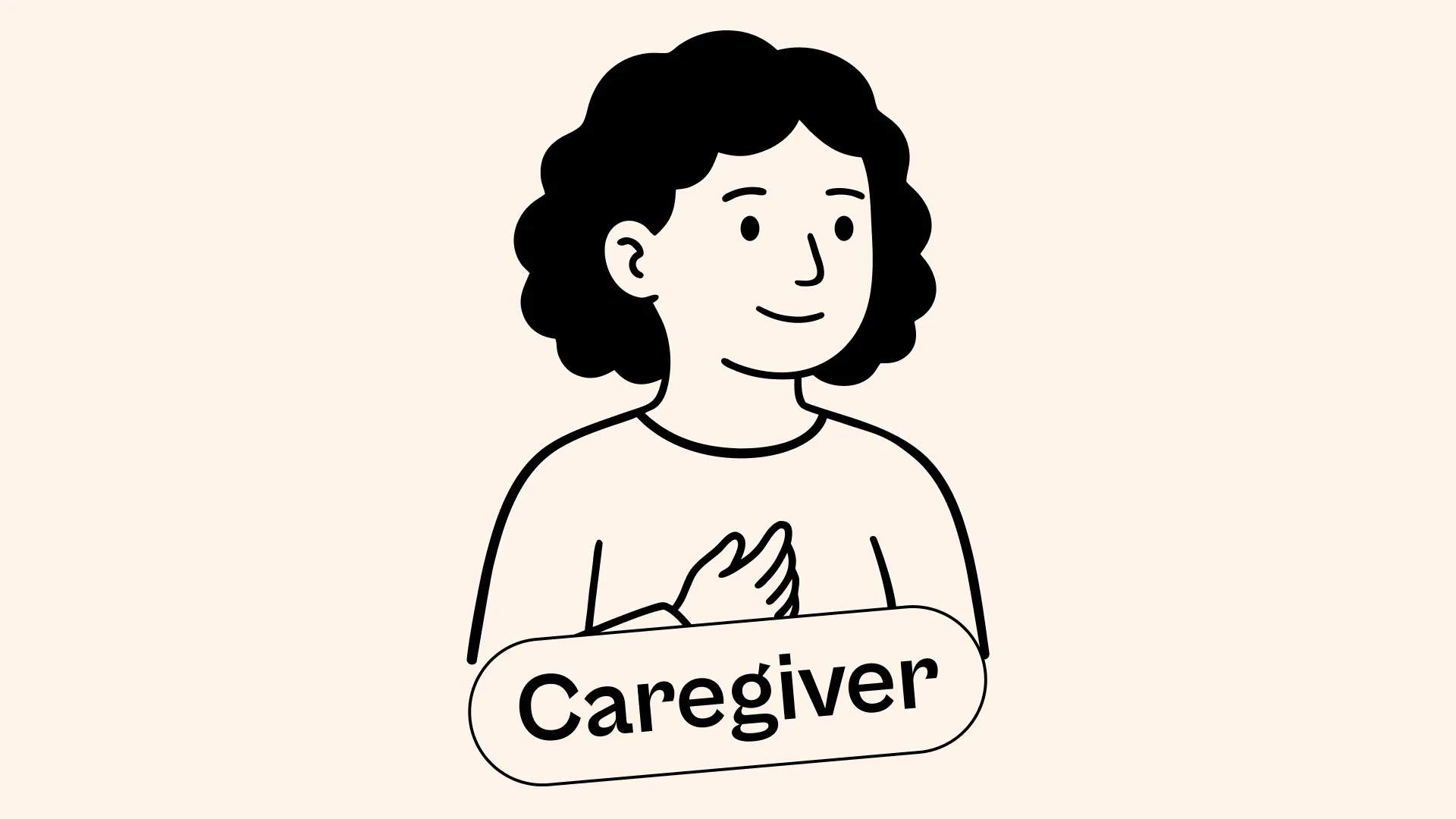
The caregiver is the archetype of care, protection and connection. He puts the wellbeing of others at the center and wants to help, support and protect people from difficulties.
The core desire of the caregiver is to protect others from harm and help them grow. Caregiver brands take people who need help under their wing and guide them until they are strong enough to move forward on their own.
Empathy and involvement are central to this archetype. The caregiver offers a listening ear, a helping hand or a strong shoulder when needed. He strives for harmony and trust and wants to create a safe environment where people feel supported.
Caregiver brands communicate warmth, reliability and human connection. They show genuine care for people and want to make a positive contribution to their lives.
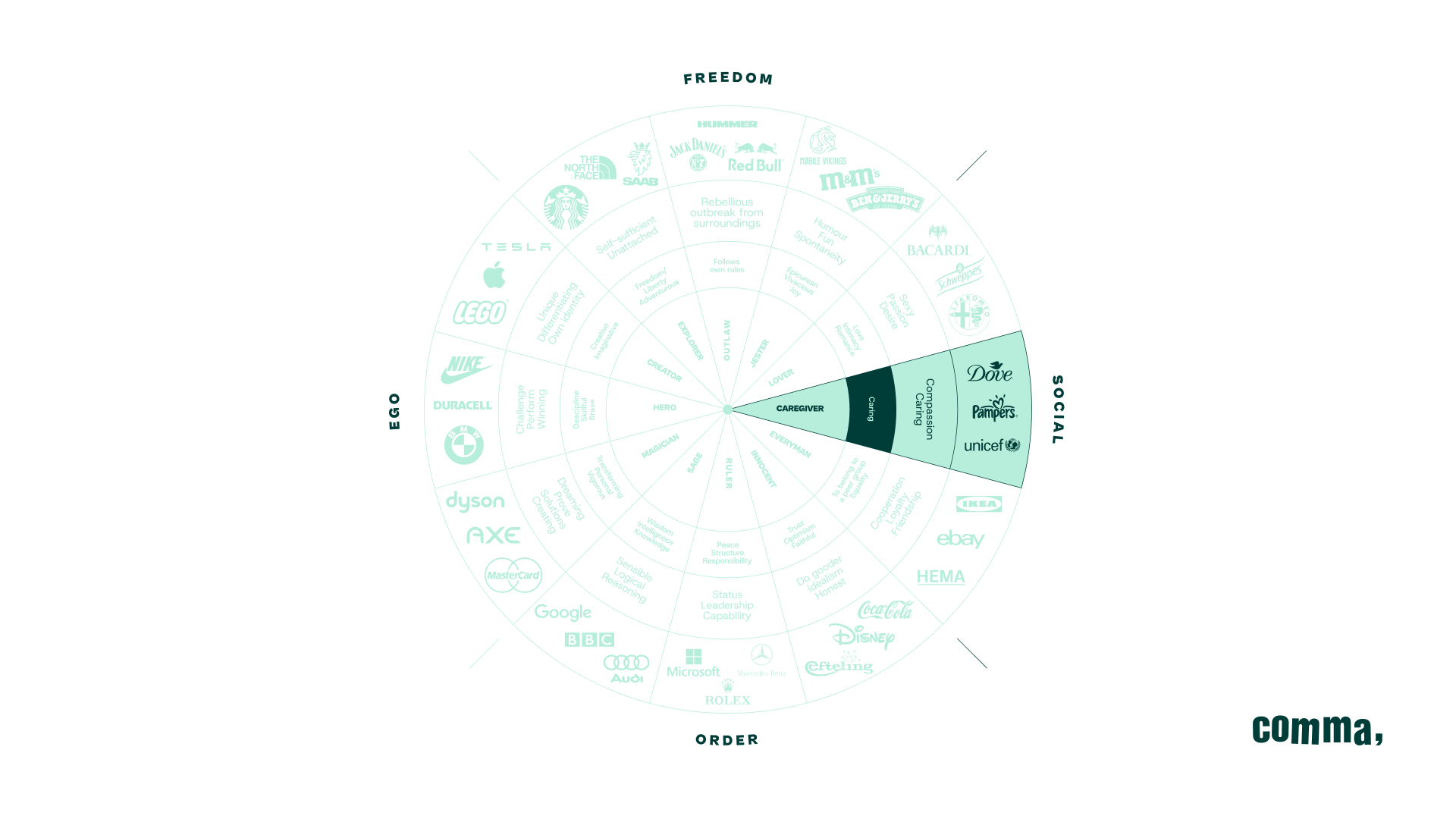
Harmony and wellbeing: the values of the caregiver archetype
The caregiver archetype revolves around care, empathy and the wellbeing of others.
Important values include:
- Compassion
- Care
- Connection
- Altruism
- harmony
Advantages of the caregiver archetype: impact through empathy
Caregiver brands create trust and build strong relationships with their audience. They show that care and attention can have a real impact on people’s lives.
Strong qualities of this archetype are:
- empathy and compassion
- patience and care
- reliability and trust
- supportive and protective
- willingness to put others first
Through their involvement, caregiver brands often contribute to a better and more human society.
Disadvantages of the caregiver archetype: assertiveness and conflict
The strong focus on others can cause the caregiver to lose sight of themselves.
Possible pitfalls are:
- difficulty setting boundaries
- self-sacrifice at the expense of personal balance
- coming across as overly protective or patronizing
- lack of assertiveness
- fear of instability or conflict
A healthy balance between caring for others and caring for oneself is therefore important.
Visual identity of the caregiver archetype: color palette, typography and imagery
Caregiver brands have a warm, calm and accessible visual appearance that conveys safety and trust.
Color palette
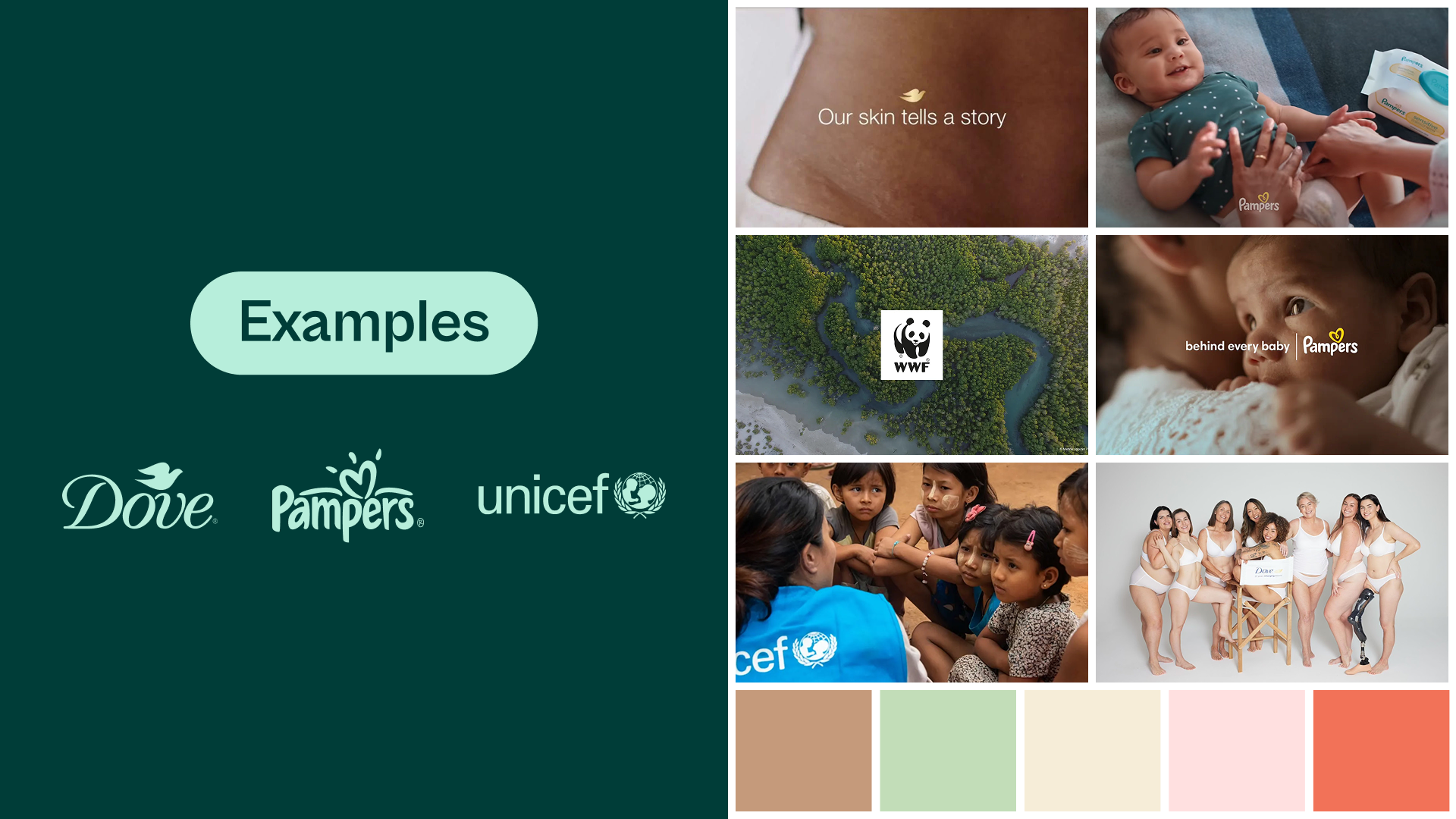
Soft, muted colors such as powder pink, cream, light beige and pastel green. These are often combined with calm tones of blue, coral or soft earth tones.
Typography
Friendly, rounded typefaces without sharp edges. Typography feels warm, calm and accessible.
Examples of suitable fonts: Merriweather Sans, Meta, Chronicle Text, Sofia Pro, Muller
Composition and imagery
Layouts are calm and balanced, with plenty of white space and a soft structure. The grid feels flexible and natural.
Imagery often shows caring interactions between people: parents and children, doctors and patients, mentors and students. Soft materials, warm interiors and everyday care moments reinforce the feeling of safety and comfort.
Caregiver archetype family such as Becel and UNICEF
The caregiver archetype often appears in sectors where wellbeing, health and social involvement are central.
Within this archetypal family, we find related roles such as:
- the angel: cares for others unconditionally and wants to do good without expecting anything in return.
- the guardian: protects people and provides safety and stability.
- the healer: helps others recover and supports their wellbeing and health.
- the samaritan: is ready to help where needed and shows genuine care and compassion.
Well-known brands and organizations that represent the caregiver archetype include:
- UNICEF
- World Wide Fund for Nature
- Pampers
- Dove
- Becel
Communication Strategy
Would you like guidance on brand identity and communication style?